Revolutionizing Diabetic Retinopathy Screening with AI
Exploring the Impact of AI on Diabetic Eye Screening
Maria Gonzalez, CFA
Author
October 30, 2025
Published
2 min read
Reading time
30 views
Total views
Revolutionizing Diabetic Retinopathy Screening with AI
Diabetic Retinopathy (DR) is a major cause of blindness globally, affecting over 100 million people worldwide. Fortunately, recent advancements in artificial intelligence (AI) are transforming the landscape of DR screening, making it more accurate, accessible, and timely. In this article, we’ll explore how AI is helping address the challenges in diabetic eye care and share some of the most exciting developments in 2025 that promise to make a substantial impact.
Understanding the AI Advantage in DR Screening
What is Diabetic Retinopathy?
Diabetic Retinopathy occurs when high blood sugar levels damage the blood vessels in the retina, leading to vision loss. Early detection through regular eye examinations can prevent vision loss, but many patients face barriers to accessing these screenings due to costs, location, and the burden of traditional referral processes.
The Role of AI
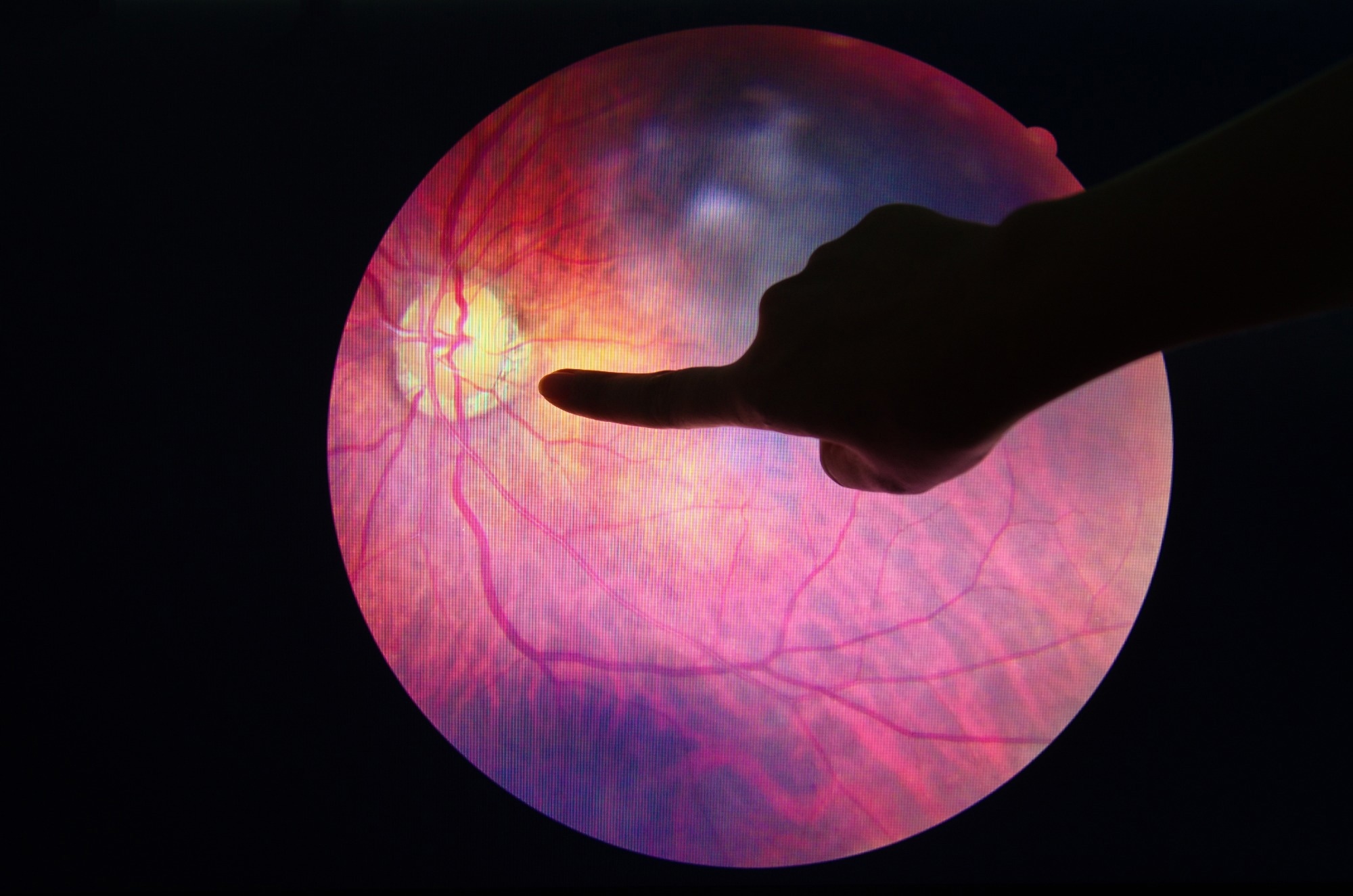
AI-driven technologies can analyze retinal fundus images rapidly and accurately, often returning results within minutes. Approaches include using deep learning algorithms to identify signs of DR such as microaneurysms and retinal hemorrhages. Current FDA-approved systems like LumineticsCore (IDx-DR), EyeArt, and AEYE-DS are demonstrating high levels of accuracy in clinical settings, providing a much-needed solution in primary care environments where eye specialists may not be available.
Key Innovations
- Mobile Solutions: The Simple Mobile AI Retina Tracker (SMART) is a recent development allowing screenings with 99% accuracy using smartphones, making eye care more accessible in under-resourced areas. This device enables primary care providers to perform necessary checks during routine visits, streamlining patient care.
- Point-of-Care Screening: Research is underway to embed autonomous AI into Federally Qualified Health Centers (FQHCs) that serve millions facing barriers to care. The DRES-POCAI trial aims to improve screening completion and follow-up among patients with diabetes, proving further efficacy and value of AI in clinical settings.
- Pharmacy Integration: The introduction of AI systems such as AEYE-DS into pharmacies enables screening for DR right at pharmacies, with patients able to receive diagnostics without needing prior referrals to specialists. This opens up new avenues for managing patient health more efficiently.
Real-World Impact of AI in DR Screening
Proven Performance Metrics
- Sensitivity: Systems like LumineticsCore and EyeArt report sensitivity rates ranging from 87% to 100%, detecting more-than-mild DR effectively.
- Specificity: Specificity varies between systems but remains competitive at 60% to 91%, ensuring that false positives are kept to a minimum.
- Real-world implementations have shown increased patient adherence to follow-up appointments—those screened via AI had rates nearly three times higher than traditional referral methods.
Cost and Accessibility
Adopting AI-driven solutions in healthcare is not just about technology; it’s also about economics. With services being reimbursed under current procedural terminology (CPT) codes, healthcare providers are incentivized to adopt AI technologies, which can save costs while improving patient outcomes.
Challenges Ahead
Despite the promise of AI in DR screening, there are challenges regarding:
- Equity in Performance: Algorithms must be validated across diverse populations to ensure equitable access and efficacy.
- Training and Integration: Staff training and workflow integration are crucial for smooth implementation.
- Legal and Regulatory Issues: Questions of liability in cases of misdiagnosis remain a complicated area that needs addressing as AI systems become more autonomous.
Conclusion
The integration of AI in diabetic retinopathy screening holds the potential to revolutionize eye care, making it more accessible and efficient for millions globally. While still in the early stages of adoption, technologies like SMART, AEYE-DS, and existing AI systems show promising results that can significantly reduce vision loss attributable to diabetes. As we move through 2025 and beyond, ongoing studies, funding models, and system integrations will play critical roles in shaping the future of DR screenings, ensuring millions receive the timely care and attention they need.