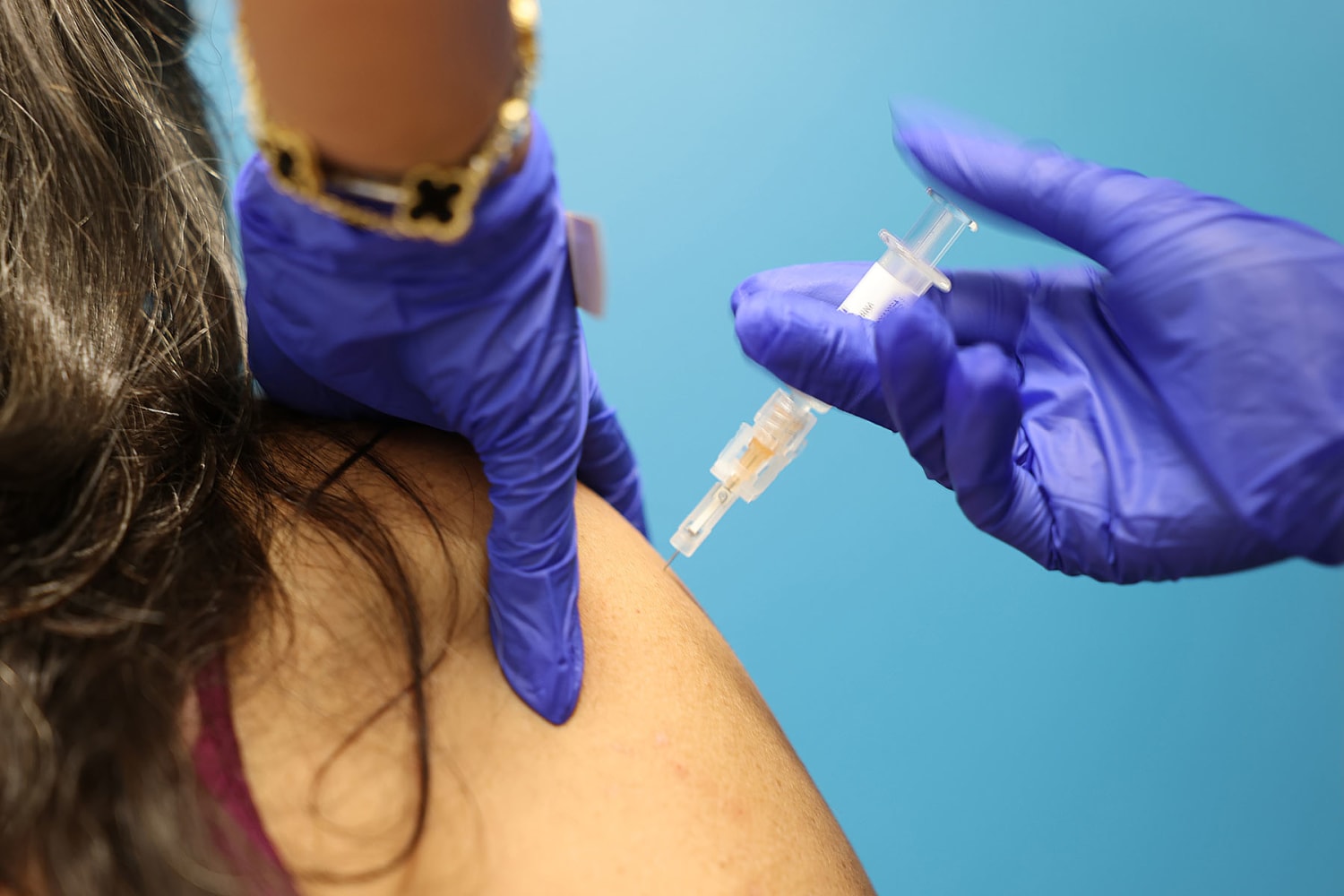
mRNA Vaccines: A Game Changer in Cancer Treatment
Exploring the Role of mRNA Vaccines in Cancer Treatment
Dr. Sarah Chen
Author
November 4, 2025
Published
1 min read
Reading time
25 views
Total views
mRNA Vaccines: A Game Changer in Cancer Treatment
The emergence of mRNA vaccines has dramatically transformed the landscape of cancer treatment, building on the successes witnessed during the COVID-19 pandemic. Researchers are increasingly exploring mRNA vaccines not only as preventative measures against viruses but also as a potent immunotherapeutic strategy for cancer treatment.
The Promise of mRNA Vaccines in Oncology
Mechanism of Action
mRNA vaccines work by instructing cells to produce a specific protein corresponding to a target antigen found in tumor cells. This stimulates the immune system to recognize these proteins as foreign and mount a robust attack against the cancer.
- Tumor-Specific Antigens (TSA): These are unique to cancer cells and can trigger a specific immune response.
- Tumor-Associated Antigens (TAA): These are also present in normal cells but are overexpressed in cancer. Vaccines targeting these antigens can help flag cancer cells for destruction without harming healthy cells.
Recent studies illustrate how mRNA vaccines can develop a trained immune response capable of recognizing various tumor types, providing a personalized treatment avenue.
Current Developments
- Boosting Immunotherapy: Research presented at the European Society for Medical Oncology conference indicated that patients with advanced non-small cell lung cancer who were vaccinated with an mRNA COVID-19 vaccine before their immunotherapy treatment had nearly doubled median survival rates compared to unvaccinated patients (median survival: 3 years vs. 1.5 years)
- Promising Phase 1 and 2 Trials: A plethora of clinical trials are underway, with 35 active trials reported by ClinicalTrials.gov assessing the efficacy and safety of mRNA vaccines against varying cancer types. For instance,
- mRNA-4157 is a personalized vaccine targeting up to 34 neoantigens and has shown promising early results in melanoma patients when combined with checkpoint inhibitors (NCT03897881).
- The upcoming Phase 3 trials aim to validate these initial encouraging findings and assess broader applications.
Advantages of mRNA Cancer Vaccines
- Rapid Development and Safety: The technology allows for the rapid design and deployment of vaccines, a key advantage highlighted during the pandemic.
- Immunogenicity and Flexibility: mRNA can elicit both humoral (antibody-mediated) and cellular (T-cell mediated) immune responses, creating a robust immunological memory against tumor antigens. This ongoing response can significantly reduce recurrence rates after treatment.
- Design and Personalization: mRNA technologies enable personalized vaccines that can be tailored to target specific mutations in an individual's tumor profile. For example,
- Personalized mRNA vaccines can be designed to encode specific tumor mutations or antigens, utilizing bioinformatics to optimize efficacy.
Challenges Ahead
Even with the promising developments in mRNA cancer vaccines, several challenges remain:
- Tumor Heterogeneity: Variations within tumor cells and across different regions of the same tumor complicate the design of effective vaccines as they may not target all tumor subtypes uniformly.
- Immune Suppression: The tumor microenvironment can inhibit immune responses, rendering vaccines less effective. Research indicates the necessity of combining mRNA vaccines with other treatment modalities, like checkpoint inhibitors and targeted therapies, to enhance therapeutic outcomes.
- Vaccine Delivery: Determining the most effective administration route (e.g., intramuscular, intranodal, intratumoral) can influence vaccine efficacy and immune response. Researchers are investigating additional routes, including intranasal delivery, which could target antigen-presenting cells more efficiently.
Conclusion
The advent of mRNA vaccines marks a pivotal shift in cancer immunotherapy, offering new hope for patients with historically hard-to-treat cancers. As the research community delves deeper into personalized medicine and the nuances of immune oncology, mRNA vaccines could very well become a cornerstone of modern cancer treatment strategies.
Further Reading
- [Nature: "An RNA vaccine drives immunity in checkpoint-inhibitor-treated melanoma"](https://www.nature.com/articles/s41586-020-2537-9)
- [Frontiers in Immunology: Recent advances in mRNA cancer vaccines](https://www.frontiersin.org/journals/immunology/articles/10.3389/fimmu.2023.1246682/full)